7 Rules for Secure Gambling Wallet Keys Online

By Thomas Garnet
A crypto casino cannot drain a wallet it never controls. That is the practical starting point for secure gambling wallet keys: separate the funds you play with from the assets you intend to keep. Fast deposits, no-KYC accounts and instant withdrawals are useful, but they also leave less room for an operator, support agent or bank to catch a bad transaction.
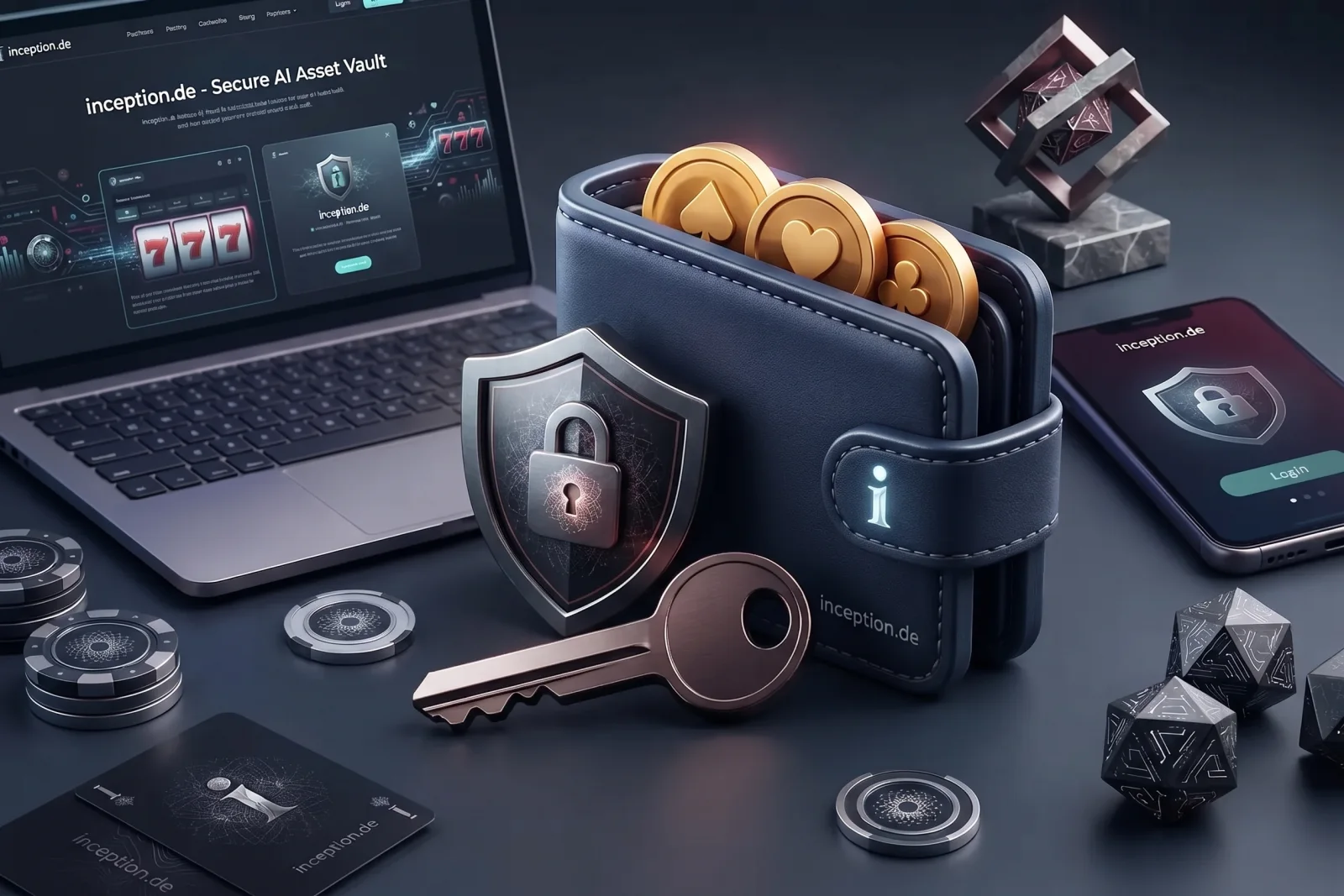
For Canadian crypto gamblers, wallet security is not a background setting. A leaked seed phrase, a blind signature or a fake casino domain can turn a small session balance into a total wallet loss. The goal is not to make gambling complicated. It is to put clear limits around what any single mistake can cost.
1. Never use your main wallet for casino play
Your main wallet should hold long-term assets, not fund slots, sportsbooks or dice games. Create a dedicated gambling wallet with a balance sized for a specific session, week or deposit plan. Treat it as a hot wallet: convenient, exposed to more interactions and deliberately kept light.
This separation limits the blast radius. If you sign a malicious approval, send funds to a phishing address, or lose access to the wallet device, the damage is restricted to the gambling float rather than your savings, DeFi positions or NFT holdings.
The trade-off is an extra transfer before you play. On low-fee networks or with stablecoins, that friction is usually small. On Bitcoin, plan deposits rather than repeatedly moving tiny UTXOs and paying avoidable network fees.
2. Know the difference between a private key and a seed phrase
A private key controls a single blockchain address. A seed phrase, often 12 or 24 words, can restore the entire wallet and every address derived from it. Anyone with either can move your crypto without your password, email login or two-factor code.
Do not save either in a notes app, cloud drive, email draft, password manager attachment or screenshot folder. Malware and compromised cloud accounts are built to search for exactly that material. Never paste a seed phrase into a website to “verify” a wallet, recover a casino balance or claim a bonus. Legitimate casinos do not need your seed phrase, full stop.
Write the recovery phrase down offline and store it where loss, water, fire and casual access are all considered. A metal backup is sensible for larger balances. If another person can reach the backup, they can reach the funds.
3. Use a hardware wallet for funds you do not intend to wager
A hardware wallet keeps signing keys off your browser and phone, which materially reduces exposure to common malware. It is not a magic shield against every scam, though. You can still approve the wrong transaction if you do not read the device screen.
For most players, the clean setup is simple: cold storage for savings, a separate software wallet for casino deposits and a separate casino account balance only while actively playing. Withdraw winnings back to the gambling wallet first, verify the amount and destination, then sweep excess funds to cold storage.
This workflow also makes bankroll discipline easier. If a casino wallet holds only the amount allocated to play, a losing streak cannot quietly pull from a larger stack just because it is one click away.
4. Verify the casino domain before every deposit
A correct wallet setup cannot protect funds sent to the wrong operator. Fake casino pages can copy branding, game lobbies, bonus language and even live chat. Their real purpose is usually to collect a deposit or persuade users to connect a wallet.
Check the domain character by character, especially when arriving from search ads, Telegram groups, Discord messages or unsolicited social posts. Bookmark legitimate sites after verifying them. Be suspicious of “support” accounts that message first, countdown bonus offers, or requests to install remote-access software.
At Provably.ca, withdrawal speed and operator legitimacy are part of the 47-point review framework because a quick deposit means little if the cashout path is unclear. Before funding an account, check the casino’s licensing disclosure, supported networks, stated withdrawal rules and track record for paying real users. A polished interface is not proof of custody practices or solvency.
Deposit addresses need the same scrutiny
Copying an address is not the end of verification. Clipboard-hijacking malware can replace it with an attacker’s address. Compare the first and last several characters of the pasted address against the casino deposit page. For a new operator or a large transfer, send a small test amount first.
Also confirm the chain. USDT on Ethereum, Tron, Solana and other networks is not interchangeable. A casino may support the token but not the network you selected. Wrong-network transfers can be expensive or impossible to recover.
5. Sign only what you can explain
Casino accounts funded through direct deposits generally do not require a wallet connection. If a site asks you to connect a wallet, pause and identify why. A signature to prove ownership is different from a transaction that grants a token allowance or transfers assets.
Read the wallet prompt, the target address and the asset involved. Watch for unlimited approvals, unfamiliar contract names, opaque calldata and requests that do not match the action you just took. A request to sign a message for login may be reasonable. A request to approve unlimited USDC spending to access a roulette table is a red flag.
This is where secure gambling wallet keys become an active habit rather than a storage decision. Your keys remain safe only if each signature is deliberate. If a transaction screen is unclear, reject it. Missing a promotion is cheaper than authorizing a wallet drain.
For wallets that interact with DeFi as well as casinos, periodically review and revoke token approvals you no longer need. This does not reverse a completed theft, but it removes old permissions that can become a liability later.
6. Harden the accounts around your wallet
Most casino takeovers begin with an email or device compromise, not a broken blockchain. Use a unique password for every casino account and protect the email address tied to withdrawals with a strong password and app-based two-factor authentication. SMS codes are better than nothing, but SIM-swap attacks remain a real risk.
Enable every meaningful casino-side protection offered: two-factor login, withdrawal confirmation, new-address verification and session alerts. If the operator supports a withdrawal address whitelist, use it after confirming the address carefully. The added delay can be frustrating, but it is useful when an attacker tries to replace a cashout destination.
Keep your browser, wallet extension and phone operating system updated. Avoid sideloaded wallet apps, cracked software and extensions that promise odds boosts, automated bonuses or instant airdrops. Those are common delivery methods for credential stealers.
7. Build a recovery plan before you need one
If you lose a wallet device but retain the seed phrase, you can restore access. If you lose both, no casino, exchange or blockchain support desk can recreate the keys. That irreversibility is the price of self-custody.
Document a minimal recovery process offline: where the backup is held, which wallet software was used, which networks contain funds and how a trusted executor could locate essential instructions if something happens to you. Do not write down the seed phrase in that document. The point is to reduce confusion without creating a ready-made theft kit.
If you suspect compromise, act quickly. Move remaining funds from a clean device to a new wallet, change casino and email passwords, revoke risky approvals, end active sessions and contact the casino to lock the account or pause withdrawals. Do not reuse the old seed phrase after a suspected exposure.
A secure setup should feel slightly boring. Deposit from a limited wallet, verify the network and address, play within a defined bankroll, then withdraw and move surplus away. That routine protects the part of crypto gambling that matters most: keeping a bad click, bad actor or bad session from becoming a permanent loss.
wallet, casino, address, phrase, gambling, funds, seed, deposit, keys, play, accounts, operator